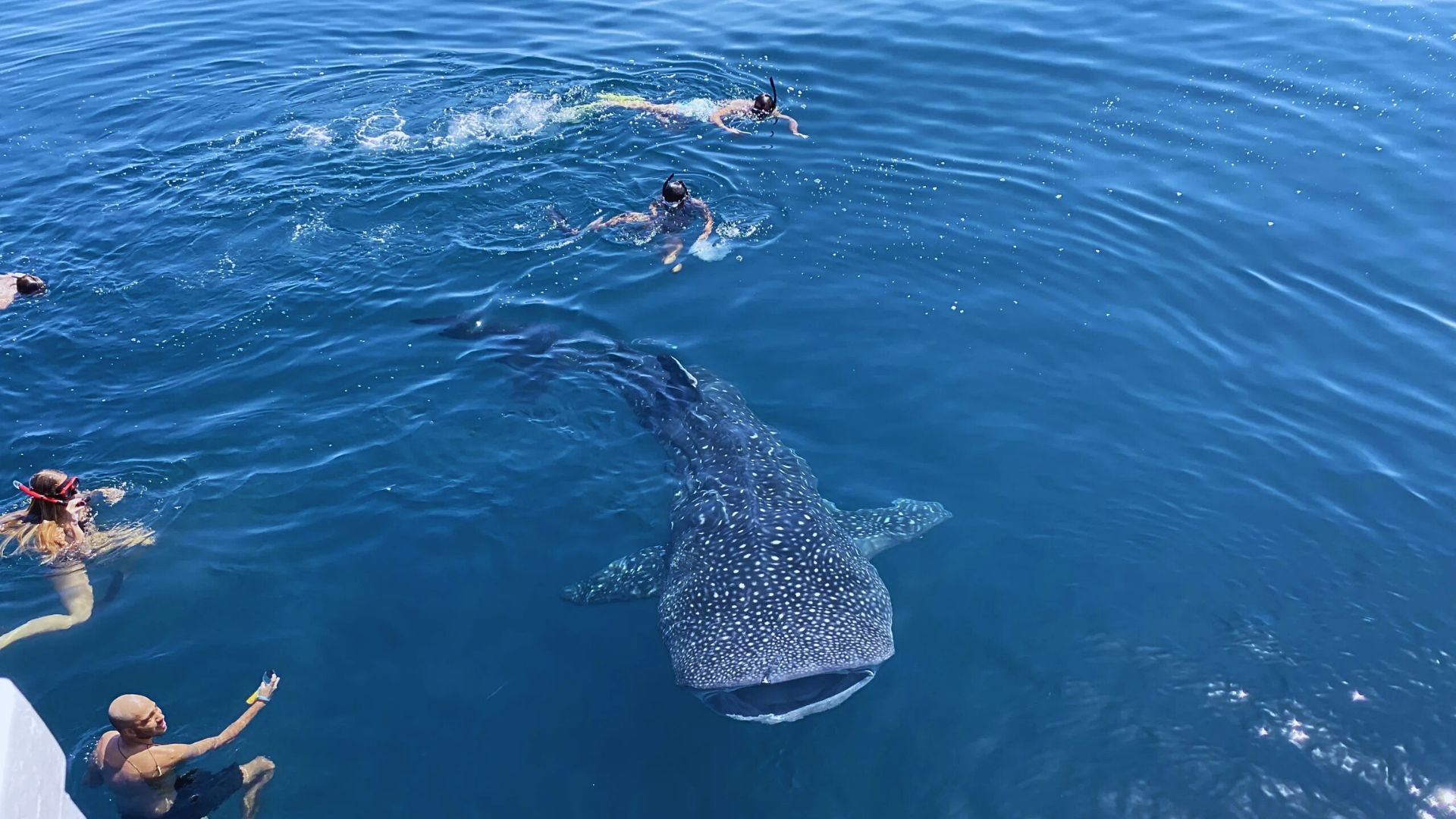
There’s something about saltwater and sunrise that makes your stomach growl louder than the boat engine. After floating alongside the gentle giants of Saleh Bay, my appetite was as wild as the sea itself. But instead of heading back to the hotel or grabbing some packaged snack, I did what any curious traveler would do—I followed my nose and the laughter of locals to find Sumbawa’s real culinary treasures.
Sumbawa isn’t just a destination for the ocean lovers and marine explorers. It’s also a hidden gem for foodies who crave bold flavors, fresh catches, and traditions served with every bite.
Here’s what I found—and what you absolutely have to try—after your unforgettable wisata whale shark Sumbawa experience.
A Morning Like No Other
Before we dive into the food, let’s set the scene.
You’ve just come back from the sea. Maybe you were lucky to swim with two, maybe even three whale sharks today. The water was calm, the crew was kind, and the moment you locked eyes with that slow-moving giant is still replaying in your head.
Your clothes are drying under the sun, and your senses are sharper than ever. This is the perfect time to explore something else Sumbawa does exceptionally well—flavor.
1. Ikan Bakar Saleh Bay Style
Freshly grilled fish. That’s the first thing that hit my nose. Caught just hours before by local fishermen, the fish—usually tuna or snapper—is marinated in a simple blend of lime, garlic, and salt, then grilled over coconut husk charcoal until the edges are perfectly crisp.
What sets this version apart isn’t just the freshness. It’s the dipping sauce—locally called sambal kecap. A mix of sweet soy sauce, chopped chilies, shallots, and a hint of lime. Spoon that over the steaming hot fish, and you’ll understand why people say the best meals are found dockside.
I had my first plate while sitting cross-legged at a warung not far from the harbor. The woman who owned the stall smiled and said, “You swam with the fish. Now you eat the cousins.” I laughed harder than I should have, mouth full of smoke-kissed flavor.
2. Sumbawa’s Legendary Sate Rempah
If you think satay is the same everywhere in Indonesia, think again. Sumbawa’s version is bold, spicy, and unforgettable.
Made from tender goat or chicken, these skewers are soaked in a marinade of turmeric, coriander, candlenut, and other spices before being grilled on an open flame. The result? Each bite is smoky, slightly charred, and deeply aromatic.
The secret, according to one street vendor I met, is in the sambal. Unlike the peanut sauce you might find in Java, here it’s a fiery red chili paste mixed with lime juice and salt. Simple, powerful, and exactly what your taste buds need after a salty ocean swim.
3. Singang: The Comfort Soup You Didn’t Know You Needed
After a morning on the water, especially if you’ve done some free diving or snorkeling, your body might crave warmth. Singang is the answer.
It’s a light fish soup made with turmeric, lemongrass, and tamarind. The flavor is tangy, soothing, and a little peppery. Often served with rice and sambal on the side, this dish feels like a warm blanket for your stomach.
Locals will tell you it’s great for balancing the “cold” of the ocean—based on traditional body temperature beliefs. Whether or not you buy into that, it’s the perfect post-tour comfort food.
4. Uta Maju: Sumbawa’s Hidden Veggie Gem
If you’re vegetarian or just want a break from all the grilled meats and seafood, look for uta maju. It’s a traditional dish made from cassava leaves cooked with coconut milk, garlic, and sometimes anchovies for added depth.
Creamy, slightly bitter, and always served with rice—it’s a staple on many local tables and pairs beautifully with grilled anything.
During one lunch in a small village near the bay, I watched a group of aunties cook this dish over an open fire while chatting about whale sharks like they were old neighbors. “They come every year,” one of them said. “Just like us in the kitchen.”
That moment stuck with me. Sumbawa isn’t just about what you eat—it’s how it’s shared.
5. Janda Berhias: Yes, That’s the Real Name
This sweet treat translates to “the decorated widow.” Don’t ask me why—it’s just what they call it.
Made from glutinous rice, palm sugar, and coconut milk, then wrapped in banana leaves and steamed, it’s soft, sticky, and a little smoky from the wrapping. After a spicy lunch, this is the perfect dessert.
You’ll often find it sold at small roadside stalls. Look for the ones that have a line of locals—always a good sign.
Dining With a View (and a Purpose)
The best part about eating in Saleh Bay? The meals often come with a view—and a mission.
Many local eateries and tour operators here work hand-in-hand with conservation initiatives. When you support these spots, you’re not just filling your belly—you’re supporting the same communities that help protect the whale sharks you came to see.
The team behind the Saleh Bay whale shark tour has done a great job highlighting eco-conscious experiences, and many of the guides are also passionate advocates for preserving local food traditions. It’s all connected—the ocean, the people, the plate.
Savoring More Than Just the Scenery
There’s something deeply fulfilling about following an awe-inspiring wildlife experience with something as grounded and human as sharing food. After all, that’s what travel is about: contrast. You spend your morning floating above a creature older than civilization, and your afternoon laughing with a cook who’s never left the island.
You sip sweet Sumbawan coffee. You lick spicy sambal from your fingers. You feel the sand under your feet, the sun on your neck, and a slow, warm fullness in your chest.
This isn’t just a Sumbawa whale shark experience. It’s a feast of nature, culture, and soul.